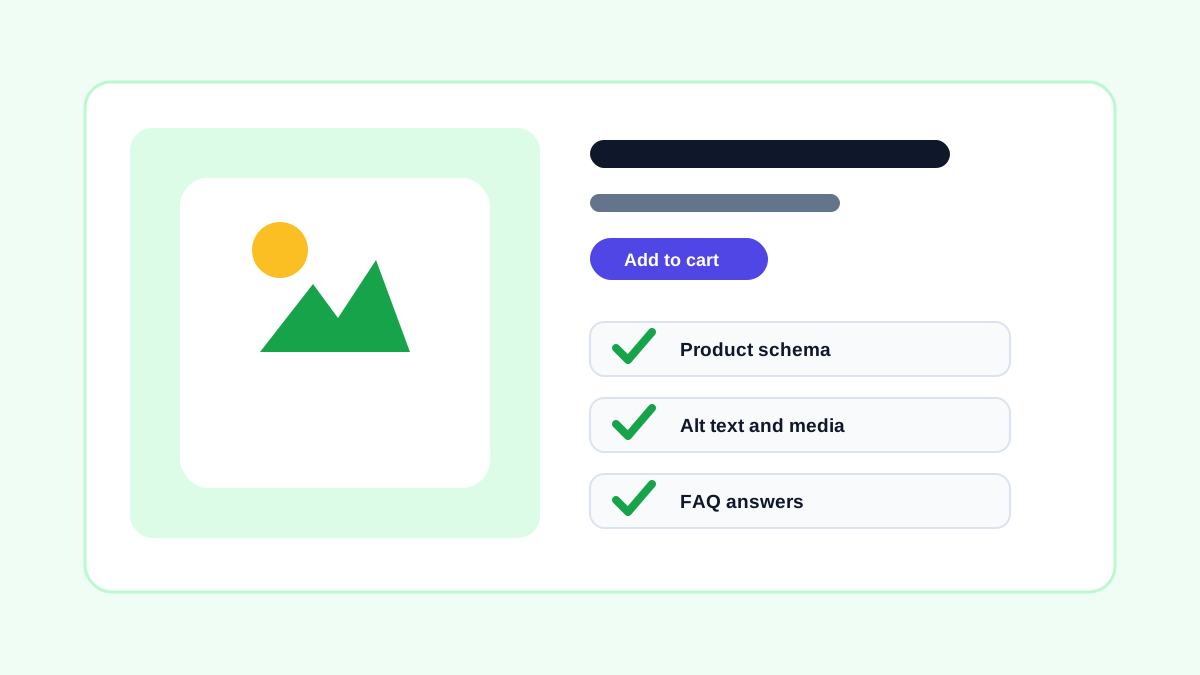
Product page SEO is the difference between a page that only sells after someone arrives and a page that can be discovered by shoppers, search engines, image search, shopping feeds, and AI answer systems.
Use this checklist for every important product and collection.
1. Write a searchable product title
Your title should combine the product name, product type, and one useful attribute. Keep it human:
- Good: “Cold Brew Bottle, 750 ml, Glass”
- Weak: “Bottle”
- Stuffed: “Best Cold Brew Coffee Bottle Online India Buy Now”
The first version is searchable and readable.
2. Put the strongest details near the top
The first 150 to 170 characters often influence snippets and sharing previews. Open with the buyer’s core need: material, use case, fit, size, ingredient, compatibility, or shipping promise.
3. Add visible product data
Search systems can only trust details they can read. Include:
- Price
- Availability
- Variants
- SKU or product identifiers
- Size and dimensions
- Materials or ingredients
- Care instructions
- Shipping and return summary
Google’s Product structured data documentation explains how price, availability, reviews, shipping, returns, and variants can support richer shopping results.
4. Use strong images and alt text
Use clear photos that show scale, texture, packaging, and use. Add alt text that describes the actual image:
- Good: “750 ml glass cold brew bottle with stainless steel filter”
- Weak: “product image”
Alt text helps accessibility, image search, and AI systems that interpret page content.
5. Add Product structured data
Your platform should emit Product and Offer JSON-LD automatically. For important products, make sure it includes name, image, description, price, currency, availability, brand, reviews when available, and variant relationships.
Structured data should match visible page content. Do not add markup for claims the buyer cannot see.
6. Answer buying objections with FAQs
FAQs work because they answer the exact questions buyers hesitate over:
- Will this fit me?
- How fast does it ship?
- Can I return it?
- Is it compatible with my device?
- Is it safe for sensitive skin?
- How do I clean it?
Answer these on the product page, not hidden in a separate help center.
7. Link product pages to helpful content
Internal links help shoppers and search systems understand context. Link from products to:
- Size guides
- Ingredient explainers
- Use-case guides
- Comparison posts
- Shipping and returns
- Customer reviews
Do this naturally. The goal is a better buying path, not a maze.
8. Keep product data current
GEO and SEO both suffer when stale data creates distrust. Keep price, availability, shipping, and return details in sync with your live store and Merchant Center feed.
Product page SEO FAQ
How many keywords should a product page target?
Target one primary product intent and a few supporting attributes. A page for a linen shirt can mention linen, breathable, summer, fit, and care. It should not try to rank for every clothing keyword.
Do product pages need long descriptions?
They need complete descriptions, not long ones. Add enough information to answer buyer questions and support search understanding.
What should my platform do automatically?
It should handle fast rendering, image optimization, canonical URLs, Product schema, sitemaps, editable meta titles/descriptions, and clean collection links.
Start your online business today.
Put the guide into practice on Sellerlane.
Build a fast storefront, connect Razorpay or PayU, publish SEO-ready pages, and keep 0% added transaction fees.
Start your free store